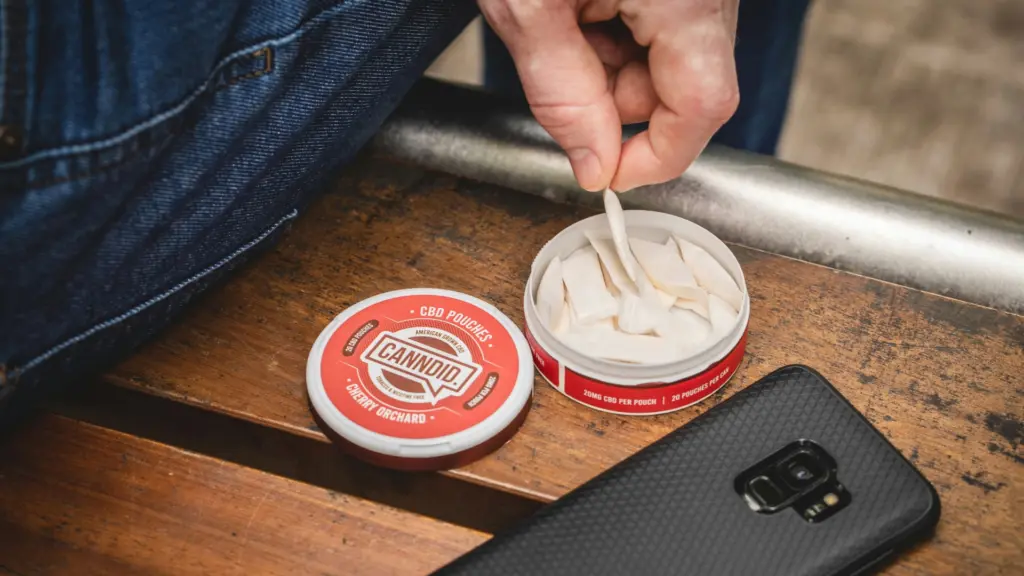


“Nootropic” sounds like lab jargon, but the idea is simple: it’s anything that supports how well your brain focuses, remembers or stays clear. Coffee is technically a nootropic. Here’s a beginner-friendly tour of the ingredients you’ll actually see on pouch and supplement labels – and which ones are worth your attention.
L-theanine – the calm to caffeine’s kick
An amino acid found in tea, L-theanine is the most common nootropic paired with caffeine. On its own it promotes a relaxed-but-alert state. Combined with caffeine, it takes the jittery edge off and supports smoother, more sustained focus. A caffeine-plus-theanine pouch is one of the friendliest ways to try the combo.
Citicoline – support for focus and memory
Citicoline is a compound your body uses to make a neurotransmitter involved in attention and memory. It’s a popular focus-oriented ingredient in some pouches and supplements, generally chosen for sustained concentration rather than a quick buzz.
B-vitamins – the quiet workhorses
B-vitamins don’t “boost” you like caffeine, but they help your cells turn food into usable energy. They frequently round out energy and focus formulas for that reason.
A sensible way to start
- Change one thing at a time. If you try a new focus ingredient, don’t stack five others at once – you won’t know what’s working.
- Mind your caffeine. Many “focus” products still lean on caffeine, so count it toward your daily total.
- Give it a fair trial. Some nootropics are felt immediately (caffeine, theanine); others are subtler over days.
The honest bit
Nootropics support good habits – they don’t replace them. Sleep, movement, hydration and daylight do more for your focus than any single ingredient. Think of a focus pouch as a helpful nudge on top of the basics, not a substitute for them.
Curious which pouches lean toward calm focus? Filter for nootropic blends in the shop or take the Smart Finder quiz.
General information only, not medical advice. Intended for adults 21+.